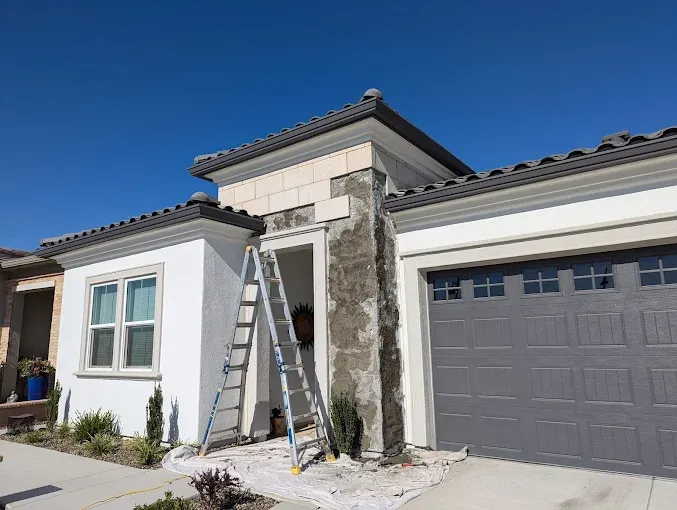
 Buying a home is a major investment, and a careful inspection helps you understand its condition before closing. This home inspection checklist covers key areas buyers should review, from the roof to the foundation. If you are purchasing in Sacramento, a professional inspection can identify visible concerns and help you plan repairs, maintenance, and future costs.
Why a Home Inspection Matters
A property may look perfect during a showing, but cosmetic updates can hide problems. An inspection provides an objective review of accessible systems and components. It cannot guarantee that every defect will be found, and it is not a pass-or-fail test. Instead, it gives buyers information to make decisions, discuss significant findings, and understand what may need attention after moving in.
Roof and Exterior
Review the roof, gutters, siding, windows, doors, and exterior trim. Look for damaged or missing shingles, worn flashing, and signs of water intrusion. Check that gutters are secure and direct water away from the house. Damaged siding, peeling paint, and gaps around windows or doors may allow moisture or pests inside.
Foundation and Structure
The foundation supports the home, so visible cracks, uneven floors, sticking doors, or windows that will not close properly deserve attention. Small cracks can occur as materials settle, but their size, pattern, location, and changes over time matter. Look for sloping floors, separated trim, or moisture in accessible crawlspaces and basements.
Plumbing System
Check accessible pipes, faucets, sinks, toilets, showers, and drains for leaks, corrosion, stains, or unusual odors. Run fixtures and observe water flow and drainage. Look under sinks for damp cabinets or evidence of past leaks. Ask about the water heater’s age and maintenance, and check for visible corrosion or leakage around connections.
Electrical System
The inspector may examine the electrical panel, visible wiring, switches, outlets, and fixtures. Look for damaged covers, exposed wiring, scorch marks, loose outlets, or missing protective devices. Do not open electrical equipment or touch exposed wires yourself.
Heating and Cooling
Sacramento summers can be hot, so a properly functioning cooling system matters. Ask the inspector to operate heating and cooling equipment when conditions allow. Check the thermostat, accessible filters, vents, and visible equipment for unusual noises, odors, or damage. Ask the seller about service records and system age.
Interior Rooms and Safety
Inspect ceilings, walls, floors, doors, windows, stairs, and railings. Water stains, bubbling paint, soft flooring, or musty smells can indicate moisture problems. Confirm that windows and doors operate properly and handrails feel secure. Check visible smoke and carbon monoxide alarms, while verifying applicable requirements and placement.
Attic and Insulation
When accessible, the attic may reveal roof leaks, poor ventilation, damaged framing, pest activity, or uneven insulation. Look for staining on roof sheathing, blocked vents, and visible moisture. Insulation and ventilation needs vary by home design and climate, so recommendations should suit the property.
Kitchen, Bathrooms, and Drainage
In kitchens and bathrooms, check cabinets, countertops, sinks, faucets, toilets, tubs, showers, and visible caulking. Look for loose fixtures, damaged grout, leaks, and soft areas around tubs or toilets. Exhaust fans should operate when tested, and moisture should be managed to reduce mold risk.
Outside, check whether soil slopes away from the foundation and downspouts direct water away from the building. Poor drainage can contribute to moisture intrusion and foundation concerns. Trees, shrubs, and irrigation should not direct water toward the house or damage visible components.
After the Inspection
Read the report carefully, including photographs, limitations, and recommendations. Separate urgent safety issues from routine maintenance and longer-term improvements. Ask the inspector to explain unfamiliar findings, then obtain specialist opinions and written estimates for significant concerns. Depending on your contract, discuss repairs, credits, or other options with your real estate professional.
Choose a Professional Home Inspector
This checklist helps you prepare, but it cannot replace a professional assessment. Choose a qualified inspector who explains the scope, answers questions, and provides a clear written report.
Whether you are buying an older property or arranging a New Home Inspection Sacramento service for new construction, an independent inspection can help you understand visible issues before closing. New homes can still have incomplete work, installation defects, or drainage concerns, so age alone should not determine whether an inspection is worthwhile.
Final Thoughts
Use this checklist to guide your questions, not to diagnose problems yourself. Review the roof, structure, plumbing, electrical system, HVAC, interior, attic, and drainage, then follow up on important findings. A thorough inspection helps you make an informed purchase and plan responsibly for homeownership. Before closing, understand the report, seek specialist advice when needed, and budget realistically for maintenance. The goal is not to find a perfect house; it is to understand its condition and decide confidently whether it suits your needs.
Keep this checklist handy during showings.
Ready to Buy Your Dream Home in Sacramento?
Protect your investment with a professional home inspection. Home Inspections Sacramento helps you identify potential issues and make confident decisions before closing. Schedule your inspection today and take the next step toward a safer, smarter home purchase!
