Data grows faster every year. Businesses store emails, videos, apps, and user records every day. Because of this growth, companies need strong systems to store and manage information. Modern data centers now depend on advanced storage systems to handle this load.
Reports show that the world creates about 402 million terabytes of data every day. That equals almost 221 zettabytes of data each year, and the number keeps rising quickly.
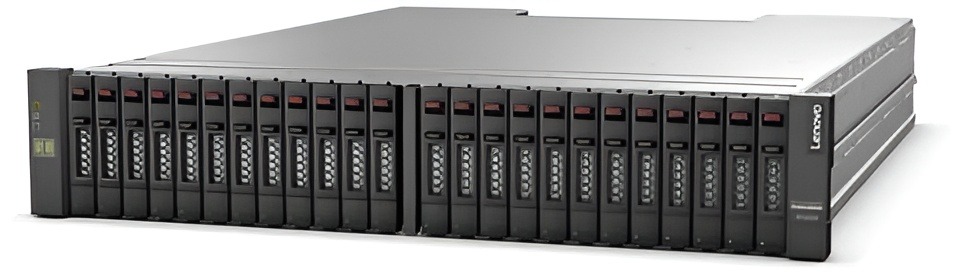
This rapid growth pushes companies to upgrade their data infrastructure. A powerful storage server helps organizations store data safely and access it quickly. At the same time, new server storage technologies improve speed, security, and scalability.
These changes shape the future of modern data centers. Several trends now influence how businesses build storage platforms.
The following trends explain how storage systems continue to evolve and support the digital world.
1. Cloud Integrated Storage Platforms
Many companies now move their data systems to the cloud. Cloud platforms offer flexible storage and easy scalability. Because of this change, cloud integration has become a major trend in server storage.
A modern storage server now connects easily with cloud services, where businesses can store some data locally while moving other files to cloud platforms. This method helps companies reduce hardware costs and increase flexibility.
Organizations also gain faster backup and recovery systems. Cloud-based storage allows teams to restore data quickly during failures.
Key advantages include
- Faster data access across locations.
- Better disaster recovery systems.
- Reduced infrastructure management effort.
- Scalable storage capacity for growing data.
Cloud-connected storage also supports remote work environments. Employees can access files from different locations without delays. As a result, businesses improve collaboration and productivity.
2. NVMe-Based High-Speed Storage
Speed plays a critical role in modern data systems. Applications such as AI analytics and real-time processing require fast storage performance. NVMe technology now transforms how a storage server handles data operations.
Traditional storage systems relied on slower interfaces. NVMe drives connect directly through high-speed PCIe lanes. This connection removes many delays during data transfer.
Faster Data Access With NVMe
NVMe-based server storage processes thousands of commands at the same time. This parallel design increases input-output operations and reduces latency. High-performance systems now support millions of operations per second.
Data centers use NVMe to power workloads like
- Artificial intelligence training
- Big data analytics
- Virtual machines
- High-frequency databases
Faster storage improves application performance. Users experience quick response times and smoother system operation. As organizations process large datasets, NVMe storage becomes a standard feature in modern data centers.
3. Software-Defined Storage Systems
Hardware alone no longer controls storage infrastructure. Many companies now manage storage through software platforms. This approach is called “software-defined storage.” Software systems control how data moves across multiple drives and servers. They create virtual storage pools that combine several physical devices.
Flexible Data Management
Software-driven server storage allows administrators to scale capacity easily. Teams can add new drives or nodes without shutting down systems.
Benefits of software-defined storage include
- Centralized storage management.
- Automatic data balancing across drives.
- Improved resource utilization.
- Easy scaling of storage capacity.
4. Edge Storage For Faster Processing
Edge computing continues to grow rapidly. Many devices now generate data outside central data centers. Examples include smart factory vehicles, cameras, and IoT devices. These systems produce large volumes of information that require quick processing. Sending all data to a central server causes delays.
A distributed storage placed near data sources solves this problem. Edge storage systems process information close to the device location.
Advantages of edge storage include
- Reduced network latency.
- Faster data processing.
- Lower bandwidth usage.
- Improved reliability for real-time applications.
Industries such as healthcare transportation and manufacturing depend heavily on edge storage. Real-time analytics helps organizations make quick operational decisions. As IoT networks expand, edge-based storage infrastructure will continue to grow.
5. AI-Driven Storage Optimization
Artificial intelligence now improves many areas of data infrastructure. Storage management is one of them. AI-powered tools analyze system performance and automate optimization tasks. A modern storage server uses machine learning algorithms to monitor workloads. These systems detect patterns in data usage and adjust storage resources automatically.
An AI-powered server helps organizations achieve
- Automated capacity planning.
- Predictive hardware maintenance.
- Smart data tiering across storage devices.
- Improved workload performance.
For example, AI can move frequently used data to faster drives. At the same time, older data moves to cost-effective storage layers. This intelligent optimization reduces manual management tasks. IT teams gain better efficiency and improved system performance.
6. Stronger Security And Data Protection
Cyber threats continue to increase every year. Because of this, data security has become a top priority in storage infrastructure. Modern storage server platforms include advanced protection features. Encryption technologies secure sensitive information stored in data centers.
Important security improvements in server storage include
- End-to-end encryption for stored data.
- Role-based access control systems.
- Automated threat detection.
- Immutable backup storage.
These characteristics will help in preventing data breaches and ransomware attacks. A secure storage architecture will also help in complying with various regulatory requirements.
Some industries, such as finance, healthcare, and government, have strict guidelines that need to be followed in order to maintain data security. Storage security is required to maintain this security.
Conclusion
Data growth remains an extraordinary trend. Currently, global digital activity results in the creation of hundreds of millions of terabytes of information every day.
To manage this massive volume, organizations rely on modern storage infrastructure. A powerful storage server forms the foundation of this system. At the same time, new server storage technology offers improvements to speed, scalability, and reliability.
Currently, cloud integration, NVMe, software-defined storage, edge, and AI optimization, as well as security, define the future of server storage technology. This allows organizations to handle their data more effectively. In the future, server storage technology innovation will remain a key driver of modern data centers and enterprise technology.